
Temples
Sanatan Dharam mandirs across Delhi served by the Sabha and its member communities.
Sanatan Dharam mandirs across Delhi served by the Sabha and its member communities.
Lajpat Nagar-III
Shri Laxmi Narayan Sanatan Dharam Mandir, located in Lajpat Nagar-III, New Delhi, is a prominent religious and social centre. The temple was established in 1958 and covers an area of about 2,250 sq. yards. The presiding deity is Bhagwan Shri Laxmi Narayan Ji, whose darshan draws roughly 500 to 700 devotees every day. The temple is run and maintained by Shri Sanatan Dharam Sabha, a duly registered trust (Registration No. S-466, 1950–1951). It serves not only as a centre of religious faith but also as an important platform for social and cultural activities. The temple has in particular been developed as a model temple under the "5C Model" — Cleanliness, Comfort, Convenience, Clean Energy and Cultural Hub — so it can serve the community as a clean, convenient, eco-friendly and value-driven centre suited to modern needs. "Paropakaraya Punyaya Papaya Parapidanam" — "The temple is not merely a place of worship, but a centre for building society." The temple is also accessible to senior citizens and persons with disabilities via a wheelchair ramp, provides clean drinking water to visitors, and is monitored around the clock by CCTV at its entrance, sanctum and gathering areas for everyone's safety. A dedicated collection point lets devotees respectfully deposit damaged idols, torn religious pictures and old calendars rather than discarding them. Planned initiatives include a senior citizens' club, a skill-development centre, an e-library, and a goal of planting 1,000 trees.
Established: 1958
Water offered at the shrine is recovered through a harvesting system so none is soiled or wasted, flowers offered to the deities are turned into manure in a composting machine, the premises are lit with tube and LED lighting alongside 5-star rated air conditioning, and a rooftop solar panel array offsets the temple’s electricity use. The premises are also kept entirely plastic-free, with single-use plastic bags, bottles, cups and plates not permitted anywhere on site.
The temple is run under a duly registered organisation. The organisation is duly registered with the relevant Government Authority, under Registration No. S-466 (1950–1951). This arrangement ensures transparency, credibility and accountability in the running of the temple.

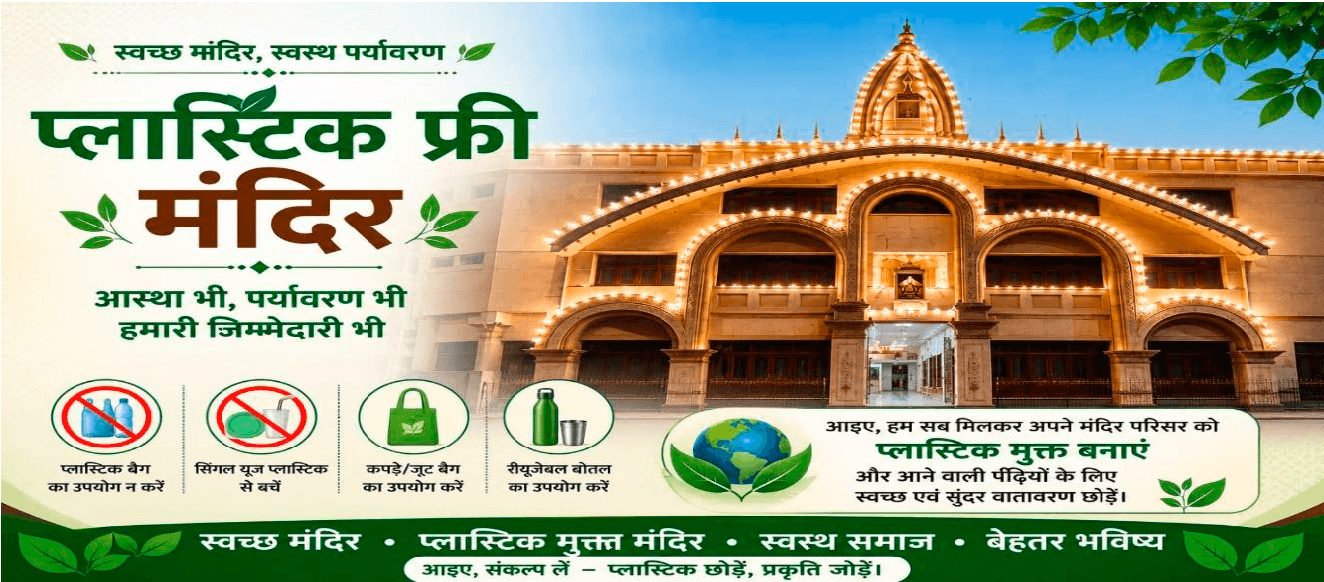
The temple has taken a pledge to keep its premises completely plastic-free. Under this initiative, the use of any kind of single-use plastic, such as plastic bags, bottles, cups and plates, is strictly prohibited in the temple.
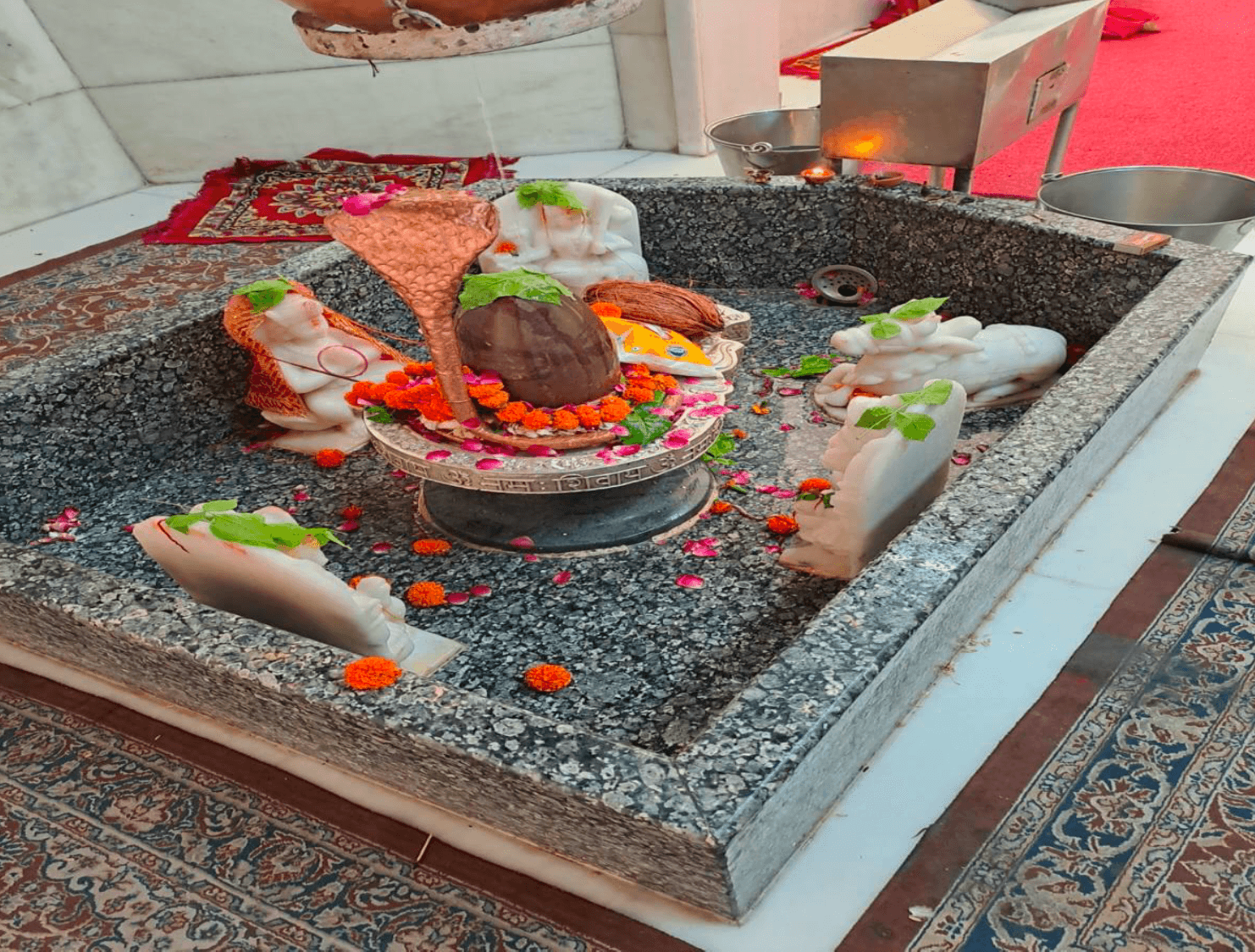
The arrangement for harvesting the water offered on the Shivling, and the water of the temple courtyard, has been in place for the past 8 years.
Ordinarily, water poured over the Shivling flows away wastefully through the drains. In this temple, this sacred water is not allowed to go to waste: through a Water Harvesting System it is returned to the earth.
This arrangement is a remarkable meeting of faith and environmental protection: it honours the devotion of worshippers on the one hand, and on the other contributes to conserving water and raising the groundwater level.
The aim of this initiative is to send the message that, alongside religious practice, protecting nature and the earth is just as essential.
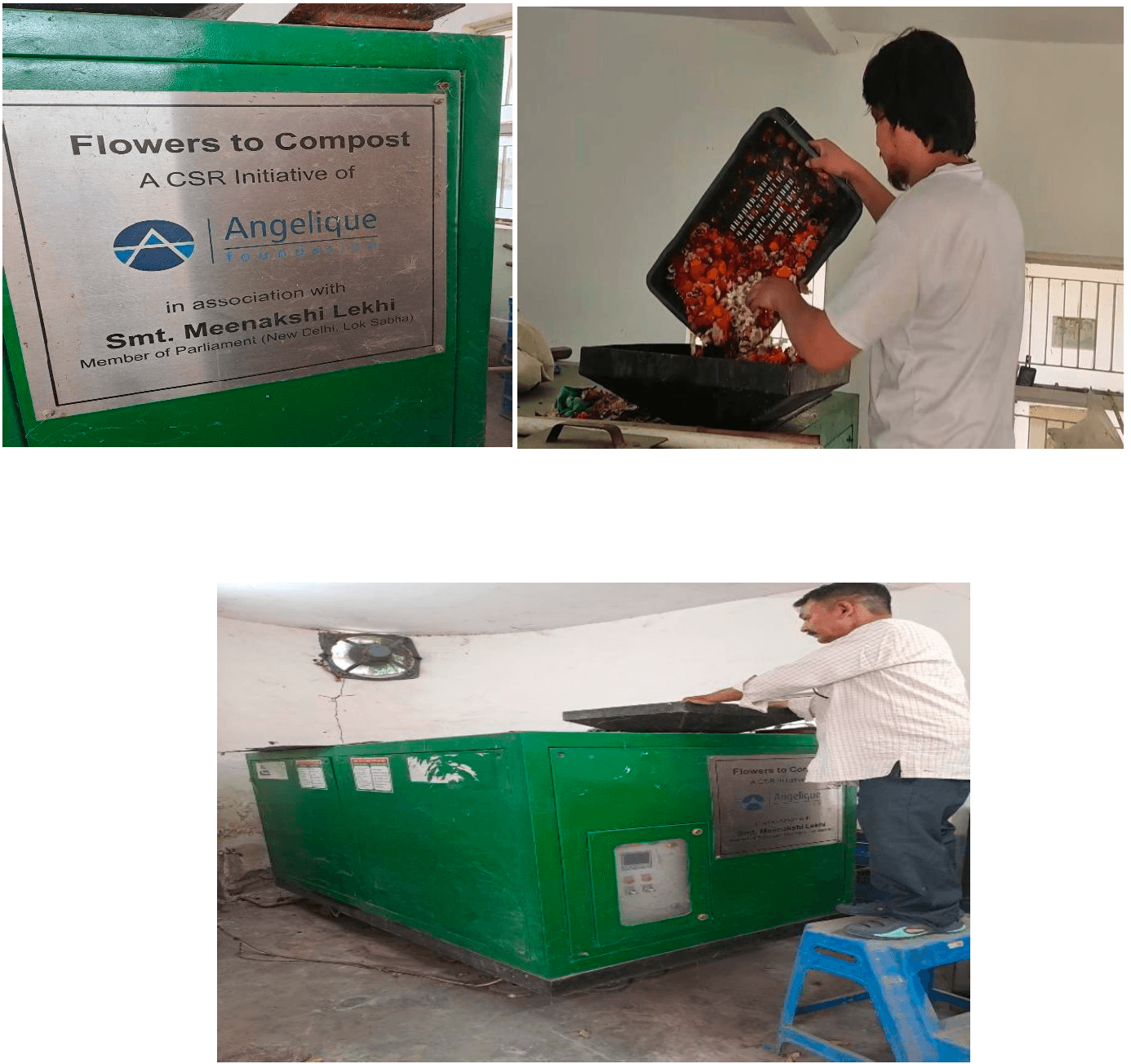
A special arrangement for the proper management of the flowers, belpatra and other worship materials offered to the deities has been in place since 2019.
These sacred items are neither thrown away as rubbish nor let into the drains. Instead, they are scientifically processed on the temple premises through a Compost Machine / Organic Waste Management System, and turned into organic compost.
This process keeps the premises clean and also promotes environmental protection, and the compost produced is used for tree plantation and the development of green areas.
This initiative is an excellent example of faith, cleanliness and environmental protection working together.
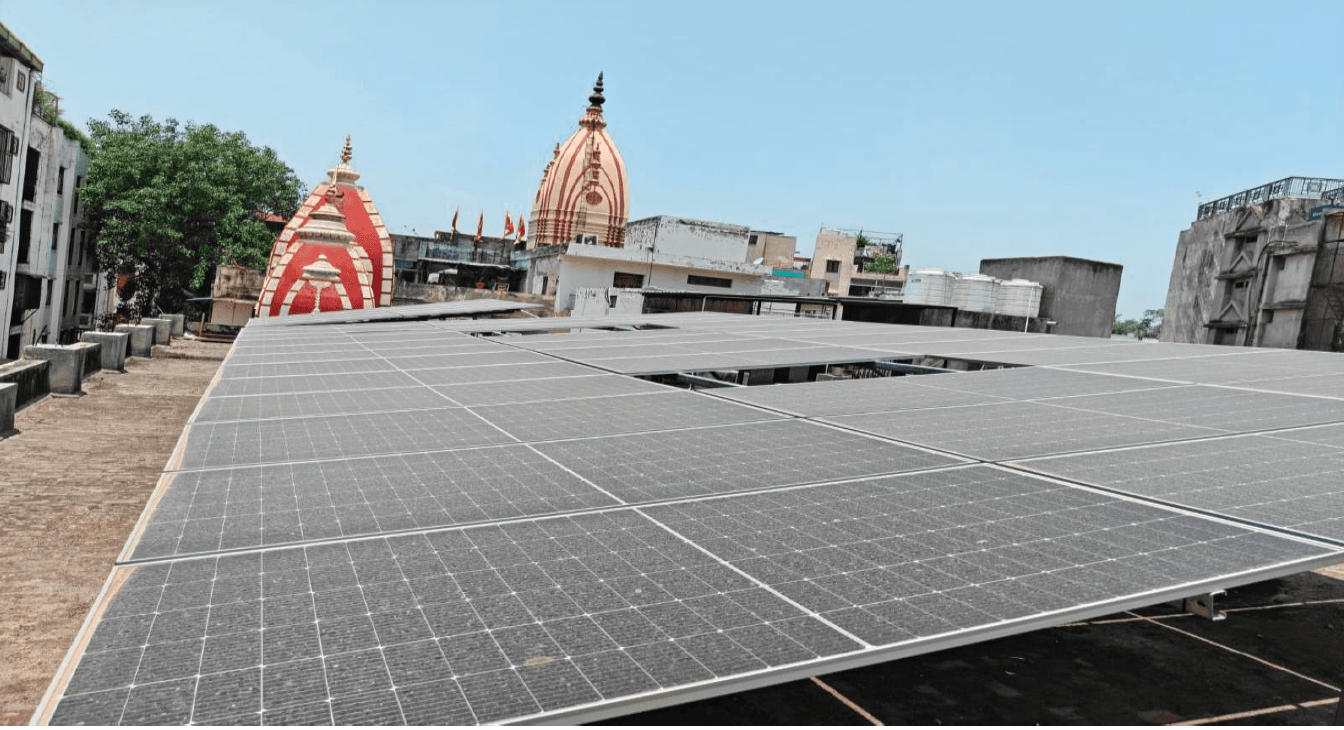
With energy conservation and environmental protection in mind, solar panels have been installed on the temple premises, through which clean, renewable energy is used.
In addition, energy-efficient LED lights have been used across the whole temple premises in place of traditional bulbs, which brings a notable reduction in electricity consumption.
Through this initiative the temple is not only saving energy, but also setting an ideal example as a Green & Sustainable Temple.
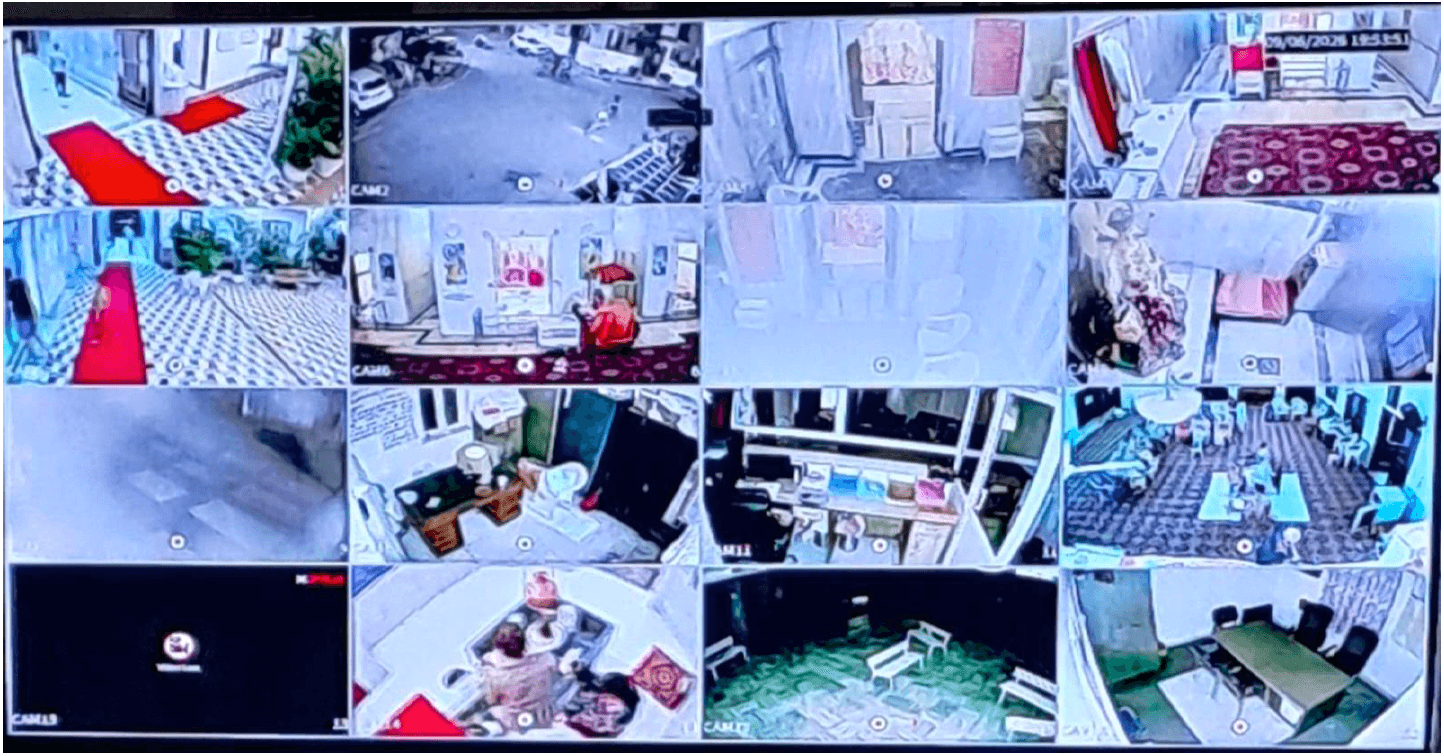
A modern CCTV surveillance system has been installed to ensure the safety and monitoring of the temple premises.
Cameras are placed at key locations in the temple, such as the entrance gate, around the sanctum, the assembly hall and other important areas, allowing round-the-clock (24×7) monitoring.
Through all of the above arrangements and services, the temple is to be developed as an ideal, clean, eco-friendly and socially useful centre. The temple’s purpose is not limited to worship alone, but extends to contributing to human welfare through social service, the building of good values (sanskar) and environmental protection.
A digital donation system (UPI / QR code based) has been set up at the temple for the convenience of devotees.

UPI ID: ivq986ip04ql@idbi